
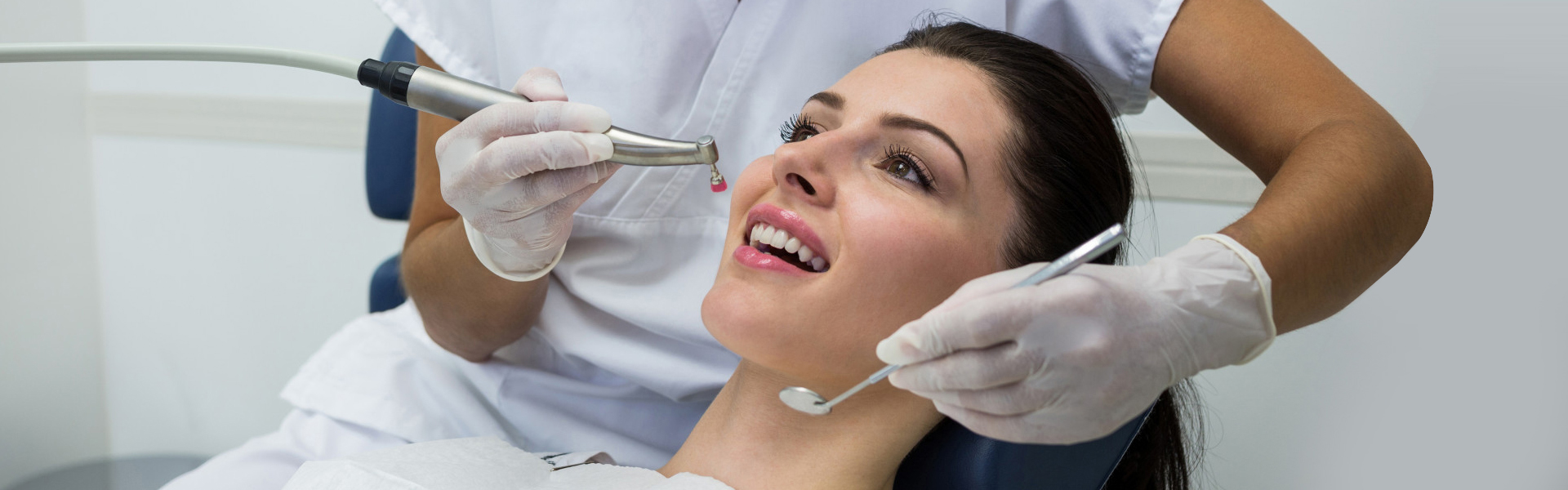
How Root Canal Treatment Saves Your Natural Tooth
A severe toothache can disrupt your sleep, meals, and daily routine. In many cases, persistent dental pain points to an infection deep inside the tooth. While extraction may seem like the easiest option, saving the natural tooth is often the healthier long-term choice. A skilled dentist in Barrington, IL, may recommend root canal treatment to remove infection, protect surrounding teeth, and restore normal function. Modern techniques have made the procedure more comfortable and predictable than many people expect.
What Is a Root Canal?
Root canal therapy helps treat infected or inflamed tissue within the inner portion of the tooth. The pulp is the soft tissue located deep within the tooth under the enamel and dentin. This area contains nerves, connective tissue, and blood vessels.
When bacteria reach the pulp because of deep decay, cracks, trauma, or repeated dental work, infection can develop. If left untreated, the infection can extend to the nearby gums and jawbone.
The treatment involves carefully removing the infected tissue from inside the tooth. The inside of the tooth is cleaned, disinfected, and sealed to prevent future infection. A protective dental crown is commonly added after the procedure to improve the tooth’s strength and function.
According to the American Association of Endodontists, millions of root canal procedures are performed every year, helping patients preserve their natural teeth rather than remove them.
Signs You May Need Root Canal Treatment
Not every toothache requires a root canal, but certain symptoms may indicate more serious damage or infection.
Common Warning Signs
You may need an evaluation if you experience:
- Persistent tooth pain
- Sensitivity to hot or cold that lingers
- Swollen or tender gums
- Darkening of the tooth
- Pain while chewing
- A small bump near the gums
- Cracked or chipped teeth with discomfort
In some situations, infection develops without noticeable pain. Routine dental exams and X-rays help identify hidden problems before they worsen.
When to Seek Care Quickly
Delaying treatment can increase the risk of:
- Bone loss around the tooth
- Gum infection
- Dental abscess formation
- Tooth loss
- Increased treatment complexity
If symptoms persist for more than a day or two, it is important to schedule a dental evaluation.
How Root Canal Treatment Removes Infection
This procedure focuses on clearing the infection while preserving as much of the healthy tooth as it can.
Step-By-Step Infection Removal
The process generally includes:
- Numbing the area for comfort
- Creating a small opening in the tooth
- Removing infected pulp tissue
- Cleaning and shaping the root canals
- Disinfecting the inside of the tooth
- Sealing the canals with a filling material
- Repairing the treated tooth with either a filling or a custom crown
Modern imaging and rotary instruments have improved both accuracy and patient comfort. Most people describe the procedure as similar to receiving a standard filling.
Why Infection Removal Matters
Untreated dental infections do not heal on their own. Antibiotics may temporarily reduce symptoms, but they usually cannot fully eliminate bacteria inside the tooth.
By directly removing the infected tissue, root canal therapy addresses the source of the problem while preserving the tooth’s foundation.
Benefits of Saving Your Natural Tooth
Keeping your natural tooth whenever possible offers several long-term advantages.
Better Bite Function
Natural teeth help maintain balanced chewing pressure. Removing a tooth may shift stress onto nearby teeth, increasing wear and instability over time.
Preserved Jawbone Support
Tooth roots stimulate the surrounding jawbone during chewing. Preserving the root helps maintain bone density and facial structure.
Reduced Need for Additional Procedures
Extraction often requires replacement options such as:
- Dental implants
- Bridges
- Partial dentures
These treatments can involve more appointments and additional costs.
Natural Appearance and Comfort
A preserved natural tooth generally feels and functions more naturally than an artificial replacement.
For many patients seeking a root canal in Barrington, saving the original tooth supports both oral health and long-term comfort.
The Root Canal Procedure
Understanding the procedure often helps reduce anxiety.
Before Treatment
Your dentist will:
- Review symptoms
- Take digital X-rays
- Examine the tooth and surrounding tissue
- Discuss treatment options
Local anesthesia is used to numb the area thoroughly before treatment begins.
During the Procedure
The appointment length depends on the tooth’s location and the severity of infection. Molars typically take longer because they contain multiple canals.
Many procedures are completed in one or two visits.
After Restoration
Once healing begins, a crown is often recommended to strengthen the tooth. This is especially important for back teeth that handle significant chewing force.
A properly restored tooth can last many years with consistent care.
Recovery and Aftercare
Most patients return to normal activities the same day or the following morning.
What to Expect After Treatment
Mild soreness or sensitivity may occur for a few days. Patients can usually manage temporary discomfort using pain relievers advised by their dental provider.
Mild sensitivity during chewing is normal while the tissues around the tooth continue to recover.
Helpful Aftercare Tips
To support healing:
- Try to avoid hard or crunchy foods on the treated tooth during the first few days of recovery
- Brush and floss gently but consistently
- Attend follow-up appointments
- Use a nightguard if you tend to clench or grind your teeth during sleep
- Maintain routine cleanings and exams
Long-Term Maintenance
Root canal-treated teeth still require regular care. Good oral hygiene and preventive visits help reduce future decay or restoration damage.
Many patients are surprised by how normal the tooth feels after healing is complete.
Expert Insight: Why Dentists Prioritize Tooth Preservation
Dental professionals generally aim to preserve natural teeth whenever possible. While modern tooth replacement options are effective, the natural tooth structure still provides the best support for chewing efficiency and bite alignment.
Research also shows that preserving healthy teeth contributes to better long-term oral stability. Early treatment often prevents more extensive procedures later.
Final Thoughts
Root canal therapy helps maintain oral health by treating infection and saving the natural tooth whenever possible. Treating infection early can relieve discomfort, prevent complications, and restore normal function without removing the tooth. If ongoing tooth pain or sensitivity develops, seeking an evaluation from a trusted local dentist near you can help prevent the problem from worsening.
Patients seeking compassionate, patient-focused dental care can learn more at Barrington Dental Wellness Center and discuss whether root canal therapy may be the right solution to protect their smile.
Frequently Asked Questions
Most patients find that modern root canal therapy feels no more uncomfortable than having a cavity filled. Local anesthesia helps keep the procedure comfortable.
Most procedures take between 60 and 90 minutes. Complex cases may require additional visits.
In some situations, retreatment may be necessary if a new infection develops or the restoration becomes damaged.
Saving the natural tooth is often preferred when possible because it maintains jaw support, chewing function, and alignment.
With proper restoration and regular dental care, many treated teeth remain functional for decades.