
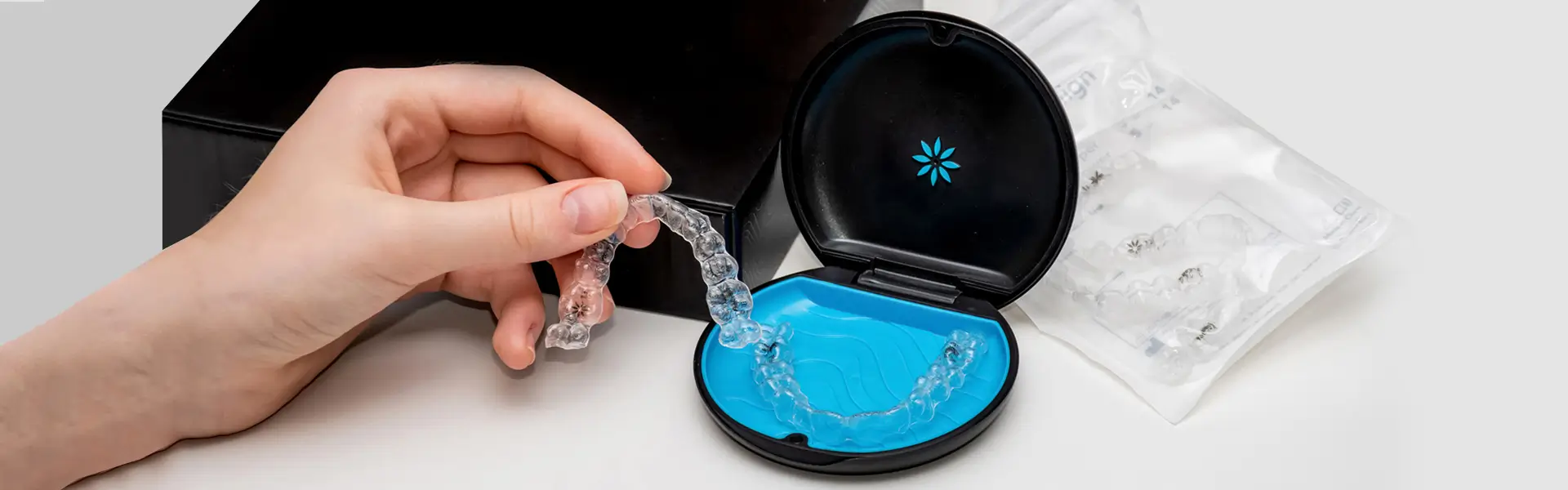
What to Expect When Getting a Custom Dental Guard?
A dentist may recommend a custom dental guard after identifying tooth wear, jaw strain, or nighttime clenching during an oral examination. As part of preventive care, a dental guard can help patients reduce repeated pressure that may affect enamel strength and bite stability over time. Knowing what each step involved, allows patients to better understand how the dental guard supports long-term tooth protection and jaw comfort.
Understanding the Purpose of a Custom Dental Guard
Grinding or clenching places ongoing force on teeth and jaw joints. Over time, this pressure can contribute to enamel breakdown, muscle fatigue, or changes in bite alignment. After evaluating these risks, a dentist can determine whether a dental guard is appropriate to limit tooth contact and reduce sustained muscle loading during rest.
Initial Dental Evaluation and Assessment
The process begins with a clinical assessment. A dentist examines tooth surfaces, evaluates jaw movement, and reviews patterns of wear or tension. This evaluation determines whether a dental guard is indicated and whether the appliance should address clenching, grinding, or both. Search for a dentist near you if you are seeking this assessment and are observing jaw discomfort or tooth wear.
Impressions or Digital Scans of the Teeth
If a dental guard is indicated, the dentist records the shape and alignment of the teeth. This may involve traditional impressions or digital scans, depending on the clinical setting. These records enable the dental laboratory to fabricate the appliance while preserving natural bite relationships and distributing contact evenly across teeth.
How Custom Dental Guards Are Designed
The recorded impressions or scans are sent to a dental laboratory, where the guard is fabricated according to the dentist’s specifications. Material selection balances durability with flexibility to support stable tooth contact without altering jaw position. A dentist in Barrington reviews the completed appliance before delivery to confirm it aligns with the planned clinical outcome.
Fitting and Adjustment Process
During the fitting visit, the dentist places the dental guard and evaluates how it contacts opposing teeth. Minor adjustments may be made to achieve balanced pressure and stable positioning. A properly fitted guard remains secure without causing soreness or interfering with breathing or normal jaw movement.
What Wearing a Custom Dental Guard Feels Like
Patients often notice the presence of the guard during the first few nights of wear. Temporary awareness or increased saliva can occur as oral tissues adjust. These sensations usually decrease as adaptation occurs during the initial period of use. The appliance should feel supportive rather than restrictive when fitted correctly.
How to Care for a Custom Dental Guard
Maintaining the dental guard supports its longevity and effectiveness. Dentists recommend rinsing the appliance after each use and cleaning it gently with a soft toothbrush and mild cleanser. Storing the guard in a ventilated case away from heat helps preserve its shape and fit over time.
When and How Often to Use the Dental Guard
Wear frequency depends on the dentist’s assessment and the patient’s symptoms. Some guards are worn nightly, while others are reserved for periods of increased clenching. A Barrington dentist provides guidance on the appropriate use to support tooth protection without unnecessary wear on the appliance.
Long-Term Benefits of Using a Custom Dental Guard
Consistent use of a dental guard can help limit enamel wear, manage jaw tension, and protect existing dental restorations. By limiting repeated stress on teeth and jaw joints, patients may reduce progressive enamel wear and joint strain over time. Follow-up dental appointments give the dentist an opportunity to monitor changes and refine care when appropriate.
Final Thoughts
Custom dental guards are prescribed when a dentist determines that repeated clenching or grinding places unnecessary stress on teeth or jaw joints. The process involves careful evaluation, precise records, and adjustments that support comfort and long-term oral stability. Understanding how a dental guard is assessed, fabricated, and maintained helps patients make informed decisions about preventive care. Routine dental visits allow the dentist to track changes over time and make appropriate care adjustments. At Barrington Dental Wellness Center, dental guards are provided as part of a structured clinical approach focused on protecting enamel, supporting jaw health, and maintaining overall oral function without unnecessary intervention.